Well Services
Pumps, Tanks and Testing
Rely on a private well for your water? Our plumbers repair, install and replace well pumps and pressure tanks and test your water, so your household always has a safe, steady supply.

Well Services That Keep Your Private Water Supply Running
A private well works as a small water utility that you own. A pump lifts water from the well, a pressure tank stores some of it under pressure and a pressure switch turns the pump on and off as you use water. Treatment equipment may follow, and every fixture depends on these parts working together. When one fails, the household can lose water entirely, or end up with weak pressure, sputtering faucets or a pump that cycles constantly.
Well owners are also responsible for their own water quality, since private wells aren’t monitored by a utility. Our well services cover the full system above and below ground. We diagnose and repair pumps, pressure switches and control boxes, install and replace submersible and jet pumps, replace pressure tanks and arrange laboratory well water testing. We work on existing wells and coordinate with licensed well drillers when a new well or major well rehabilitation is needed.
Private Well Services We Provide
We service residential and small commercial well systems, including pumps, pressure tanks, switches, controls and water quality, responding to no-water situations and planning upgrades that make your well system more reliable and efficient.
Pump Repair
Diagnose and repair pumps, switches and control boxes that stop water.
Pump Installation
Install correctly sized pumps for new wells and upgraded systems.
Pump Replacement
Pull and replace failed submersible and jet pumps with new units.
Pressure Tanks
Replace waterlogged or leaking tanks that cause rapid pump cycling.
Water Testing
Test well water for bacteria, nitrates and other common contaminants.
Constant Pressure
Install variable-speed systems that deliver steady pressure at every fixture.
Submersible Pumps and Jet Pumps for Private Wells
Submersible pumps are the most common choice for modern drilled wells. The pump and motor sit deep in the well casing, below the water level, pushing water up to the house through a drop pipe. Because they push rather than pull, they work efficiently at considerable depths and run quietly, since the motor is underground. When they fail, the pump must be pulled from the well, which requires specialized equipment and experience.
Jet pumps sit above ground, usually in a well house, basement or utility area, and draw water up by suction. Shallow-well jet pumps work only with relatively shallow water levels, while deep-well jet pumps use a two-pipe system to reach deeper. They’re easier to access for service but are noisier and generally less efficient than submersibles. We’ll identify your pump type, evaluate its condition and recommend repairs or upgrades that suit your well.
Why Well Owners Choose Our Team
We understand that a well problem often means no water at all, so we diagnose carefully and work quickly. Our licensed and insured plumbers test electrical components, pressure switches and tanks before condemning a pump, saving you from unnecessary replacements. We size pumps and tanks to your well’s yield and household demand, install quality components and explain maintenance clearly. Water testing is arranged through certified laboratories, and results are explained in plain terms.
Fast Service
Quick and Reliable Plumbing Services.
Qualified Team
Skilled and Certified Plumbers at Your Service.
Affordable Price
Competitive Quality Plumbing Solutions.
150+ Project Done
Our Track Record of Excellence.
Benefits of Professional Well Services
Professional well services restore water quickly when systems fail and keep them running reliably between failures. Correct diagnosis avoids replacing expensive pumps when a switch or capacitor is the real problem. Properly sized tanks and pumps reduce cycling, extend equipment life and lower electricity use. Regular water testing protects your family from contaminants you can’t see or taste. And a well-maintained system adds value and confidence when you sell your property.
Well Services in CA, TX and FL
We provide well services for rural homes, ranches, acreage properties and small businesses across California, Texas and Florida, working with deep drilled wells, shallow wells and the water quality challenges each region presents.
What Happens to a Well During a Power Outage
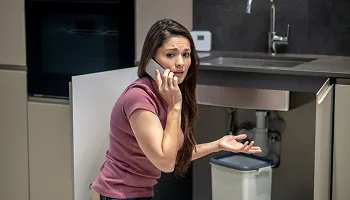
Unlike city water, a private well depends on electricity. When the power goes out, the pump stops, and your water supply is limited to what’s stored in the pressure tank.
That stored amount is usually small, often just a few gallons, enough for some hand washing or a toilet flush or two. In areas prone to storms and outages, many well owners plan ahead by storing bottled drinking water and filling bathtubs with water for flushing.
A properly sized backup generator with a transfer switch can power the well pump during outages. The generator must handle the pump’s starting load, which is higher than its running load. We can help determine your pump’s electrical requirements so an electrician can size a suitable generator.

How Our Well Services Work
We ask about symptoms, your well’s depth and age and the pump type, then schedule a visit, prioritizing no-water situations.
On site, we check power to the pump, test the pressure switch, control box and tank precharge and measure system pressure. For submersible pumps, electrical tests can indicate motor or wiring problems before the pump is pulled. We explain the diagnosis and options with clear pricing.
Approved repairs or replacements are completed with quality components, and the system is tested through several pump cycles to confirm proper pressure and cut-in and cut-out settings. When contamination is possible after repairs, we recommend shock disinfection and follow-up water testing before anyone drinks the water again.
Keep Your Well Water Flowing
Low pressure, no water or questions about water quality? Our licensed plumbers provide well services for pumps, pressure tanks and testing.
Well Services Questions Answered

Why does my well have no water?
Common causes include tripped breakers, a failed pressure switch, control box problems, a failed pump or a low water level.
How long do well pumps last?
Submersible units commonly give eight to fifteen years of service, based on water quality, cycling frequency, sediment and how well the system is sized.
Do you drill new wells?
We don’t drill wells, but we coordinate with licensed drillers and install pumps, tanks and plumbing once the well is completed.
How often should well water be tested?
Testing at least annually for bacteria and nitrates is widely recommended, along with periodic tests for other contaminants common in your area.
Can a well pump run on a generator?
Yes, if the generator is sized for the pump’s starting load and connected through a proper transfer switch by an electrician.