Faucet Leak Repair
Spout, Handle and Base Leaks
Water dripping from the spout, seeping around the handle or pooling at the base? Our plumbers find exactly where your faucet is leaking and fix it with the correct parts.
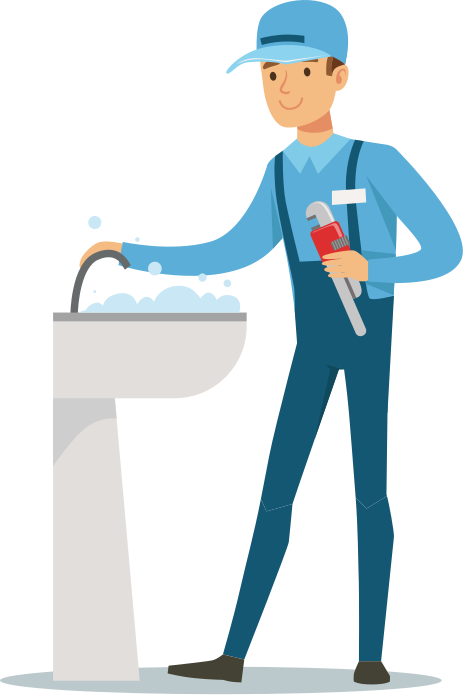

Faucet Leak Repair Starts With Finding Where the Water Escapes
A leaking faucet can lose water from four different places, and each one points to a different worn part. A drip from the spout usually means the cartridge, washer or valve seat isn’t sealing. Water around the handle suggests failed O-rings or a loose packing nut. A puddle at the base often comes from worn spout seals on swivel faucets. And leaks underneath the sink typically involve supply line connections or a cracked faucet body hidden below the counter.
Identifying the faucet type matters just as much. Older compression faucets with separate hot and cold handles use rubber washers that compress against a seat. Cartridge faucets use a sliding or rotating cartridge with O-rings. Ball faucets, common on older single-handle kitchen models, rely on springs and rubber seats. Modern ceramic disc faucets use two hard discs that rarely wear but can crack or collect debris. Our plumbers recognize each design and carry matching repair parts.
Faucet Leak Repairs We Handle
We repair leaks on kitchen, bathroom, laundry, bar and tub faucets from all major brands. Most repairs replace only the worn component, keeping your existing faucet working without the cost of a new fixture.
Cartridge Swaps
Replace worn cartridges that let water drip from the spout.
Washer Repair
Renew washers and resurface valve seats on older compression faucets.
O-Ring Repair
Stop leaks around handles and swivel spouts with fresh O-rings.
Ceramic Discs
Clean or replace ceramic disc valves that leak or stick.
Supply Lines
Replace leaking supply hoses and connections beneath the sink basin.
Tub Spouts
Fix leaking tub faucets and diverters that drip or spray.
When a Leaking Faucet Should Be Repaired or Replaced
Most faucet leaks are worth repairing. If the faucet body is sound, the finish is in good shape and parts are still available, replacing a cartridge or a set of seals costs far less than a new fixture. Quality faucets from established brands are designed to be rebuilt, and many manufacturers offer replacement cartridges for decades. A repair also avoids disturbing countertops, backsplashes and supply connections that might be fragile in an older home.
Replacement makes more sense in some situations. A cracked faucet body, corrosion inside the valve housing or a spout that leaks from the metal itself can’t be fixed with seals. Discontinued or unbranded faucets may have no available parts. If you’ve repaired the same faucet several times in a few years, or you’re already planning to update the style, a new faucet can be the better investment. We’ll give you an honest recommendation either way.
Why Customers Call Us for Faucet Leaks
We fix the cause rather than tightening things until the drip slows down. Our licensed and insured plumbers identify your faucet brand and valve type, use genuine or matched replacement parts and check the supply connections and shutoff valves while we’re there. Overtightening damages seals and makes leaks worse, so we install parts to the correct torque. You’ll get a straightforward recommendation on whether repairing or replacing the faucet offers better value.
Fast Service
Quick and Reliable Plumbing Services.
Qualified Team
Skilled and Certified Plumbers at Your Service.
Affordable Price
Competitive Quality Plumbing Solutions.
150+ Project Done
Our Track Record of Excellence.
Benefits of Fixing Faucet Leaks Quickly
A faucet dripping once per second can waste thousands of gallons a year, so prompt repair lowers your water bill right away. Fixing hot water drips cuts water heating costs too. Stopping leaks prevents mineral stains on sinks and fixtures, protects cabinets from hidden water damage beneath the counter and ends the constant dripping noise that keeps you awake at night. Replacing worn parts also restores smooth handle operation and steady temperature control.
Faucet Leak Repair in CA, TX and FL
We repair leaking kitchen, bath and laundry faucets across California, Texas and Florida, where hard water minerals in many areas wear down cartridges, seals and valve seats faster than usual.

How Hard Water Shortens the Life of Faucet Parts
Many faucet leaks begin with minerals in the water. Hard water areas often see cartridges and seals fail years earlier than expected.
As water evaporates around faucet parts, calcium and magnesium deposits build up on cartridges, ceramic discs and valve seats. These crusty deposits prevent seals from closing fully, creating slow drips. They also scratch rubber O-rings and washers each time the handle moves, gradually wearing them out.
Regular cleaning of aerators and visible fixture surfaces helps, and a water softener reduces mineral buildup throughout your plumbing. When we repair a leak in a hard water home, we clean deposits from the faucet body and apply silicone grease to new seals so they last longer.

How Our Faucet Leak Repair Works
Tell us which faucet is leaking and where the water appears. A photo of the faucet helps us bring the right parts.
Your plumber shuts off the water at the fixture valves, then disassembles the faucet to inspect the cartridge, seals, washers and valve seats. The brand and model are identified, and worn parts are replaced with matching components. Mineral deposits are cleaned away, and new seals are lubricated with plumber’s grease.
The faucet is reassembled, water is restored and both hot and cold sides are tested for drips, smooth operation and correct temperature. We check under the sink for leaks at supply lines and shutoff valves, and let you know if any connections are showing signs of wear or corrosion.
Stop Your Faucet From Leaking Today
Dripping spout, wet handle or puddle at the base? Call our licensed plumbers for faucet leak repair using the right parts for your faucet brand.
Faucet Leak Repair Questions Answered

Why does my faucet drip when closed?
Usually a worn cartridge, washer or valve seat isn’t sealing fully. Mineral buildup and age are the most common reasons these parts stop sealing.
Why does water leak around the handle?
Worn O-rings or a loose packing nut usually allow water past the valve stem. Replacing the seals typically solves the problem completely.
How much water does a dripping faucet waste?
A faucet dripping once per second can waste over three thousand gallons per year, adding noticeably to water and heating bills.
Can you repair any faucet brand?
We repair all major brands and most older models. If parts are discontinued, we’ll explain your options, including a matching replacement faucet.
Is faucet repair cheaper than replacement?
Usually, yes. Replacing a cartridge or seals costs less than a new faucet, unless the body is cracked or corroded internally.