Pipe Lining (CIPP)
A New Pipe Inside the Old
Cracked, leaking or root-damaged sewer pipe that is still round and continuous? Our cured-in-place pipe lining forms a jointless replacement within your existing line, usually without any digging.
Pipe Lining With Cured-in-Place Technology for Sewer and Drain Lines
Cured-in-place pipe, or CIPP, rebuilds a damaged line from the inside. A flexible tube made of felt or fiberglass is saturated with resin, measured to the length of the run and installed into the existing pipe through a cleanout or small access point. Once in position, the tube is pressed tightly against the old pipe wall and cured until the resin hardens. The result is a rigid, jointless pipe formed within the original one.
The new liner seals cracks, bridges separated joints and closes the gaps roots use to enter. Its smooth interior often improves flow compared with rough, scaled or corroded old pipe. CIPP works in clay, cast iron, concrete, Orangeburg in fair condition, ABS and PVC lines, and it can navigate many bends that other methods can’t. It’s especially useful for drains under slabs and sewer lines beneath driveways, trees and finished landscaping.
CIPP Lining Services We Provide
We line sewer laterals, building drains, under-slab lines and vertical stacks for homes and commercial properties, including thorough preparation, installation, curing, branch reinstatement and recorded camera verification of the finished liner.
Sewer Laterals
Line the full run from your building to the city connection.
Under-Slab Drains
Rehabilitate drains beneath concrete floors without breaking up the slab.
Drain Stacks
Line corroded vertical drain stacks in homes and multi-story buildings.
Branch Reinstatement
Reopen lined-over branch connections with robotic cutters to restore flow.
Lateral Connections
Seal the joint where your lateral meets the public sewer main.
Pipe Preparation
Descale, cut roots and jet clean pipes before any liner goes in.
How CIPP Liners Are Installed and Cured
There are two main ways to place a liner. Inversion uses air or water pressure to turn the resin-saturated tube inside out as it travels through the pipe, pressing the resin side directly against the old wall. Pull-in-place drags the liner into position, then an inflatable bladder expands it against the pipe. Inversion handles longer runs and bends well, while pull-in-place can suit lines with limited access or specific layout challenges.
Curing hardens the resin into its final form. Ambient cure resins harden at ground temperature over several hours. Hot water or steam speeds the process by circulating heat through the liner. Ultraviolet light curing uses a light train pulled slowly through translucent fiberglass liners, curing them quickly and consistently. The best method depends on pipe size, length, liner material and how soon the drains need to return to normal service.
Why Property Owners Trust Our CIPP Lining
Lining success depends on preparation, measurement and curing, and we’re thorough with each. Our licensed and insured technicians clean and descale lines until the camera shows bare, sound pipe, measure every run precisely and follow manufacturer cure specifications. Branch connections are reopened and checked. We confirm the finished liner is smooth, tight and wrinkle-free on camera, and we’ll always be honest when your pipe isn’t a good candidate for lining.
Fast Service
Quick and Reliable Plumbing Services.
Qualified Team
Skilled and Certified Plumbers at Your Service.
Affordable Price
Competitive Quality Plumbing Solutions.
150+ Project Done
Our Track Record of Excellence.
Benefits of Cured-in-Place Pipe Lining
Pipe lining renews a damaged line without excavating yards, driveways or interior floors. The seamless liner eliminates joints, stopping root intrusion and leaks for the long term. It resists corrosion and creates a smooth surface that helps waste flow. Most projects are completed in a day with minimal disruption. And because the liner is formed inside the existing pipe, it can reach places that are difficult or very costly to dig.
CIPP Pipe Lining in CA, TX and FL
Our technicians provide cured-in-place lining across California, Texas and Florida, renewing sewer laterals, under-slab drains and cast iron stacks in homes, condominiums, restaurants and commercial buildings throughout all three states.
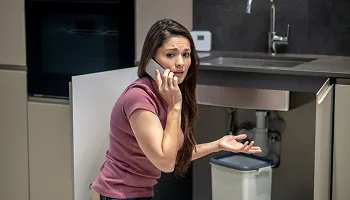
Is Pipe Lining Safe for Your Home?
Property owners often ask about the resins used in lining. Understanding the materials and process helps set expectations for installation day.
Residential lining commonly uses epoxy resins, which have low odor and are designed for long-term use in drain and sewer systems. Some other resin types, often used in larger municipal pipes, can produce stronger odors during curing. We select materials appropriate for occupied homes and businesses.
During curing, the work area is ventilated, and drains are capped to keep any odors from entering living spaces. Once fully cured, the liner is inert and stable. We’ll explain the resin and curing method we plan to use, along with any brief precautions, before work begins.

How Our Pipe Lining Process Works
We flush out the line and send a camera through to confirm the pipe is suitable for lining and record its length, diameter and defects.
You’ll receive a proposal outlining the liner type, resin, cure method, access points and cost. On installation day, the line is descaled, roots are cut and the pipe is jetted, then reinspected. The liner is cut to length and saturated with resin, often at our truck.
The liner is installed by inversion or pull-in-place, then cured with the selected method. Branch connections are reinstated with a cutting robot where needed. We finish with a recorded camera run showing a smooth, fully bonded liner, and drains are usually returned to service later that same day.
Line Your Pipes Without Digging
Damaged sewer or drain line that remains structurally intact? Call our licensed technicians for CIPP pipe lining that builds a jointless pipe within the old one.
CIPP Pipe Lining Questions Answered

What does CIPP stand for?
CIPP means cured-in-place pipe. A resin-saturated liner is installed inside the existing pipe and hardened to form a new, jointless pipe.
How long does a CIPP liner last?
A well-installed liner is engineered to serve for decades. Proper cleaning, sizing and curing are key to reaching that lifespan in practice.
Does lining reduce pipe diameter?
Slightly, by the liner’s thickness. Its smooth, seamless interior usually maintains or even improves flow compared with rough, corroded old pipe.
Can every pipe be lined?
No. Collapsed sections, severe sags and badly offset joints usually need excavation or bursting. A camera inspection determines whether lining will work.
Can lining go around bends?
Yes. Liners can navigate many bends and fittings, which is one reason lining works well for under-slab drains and complex layouts.